
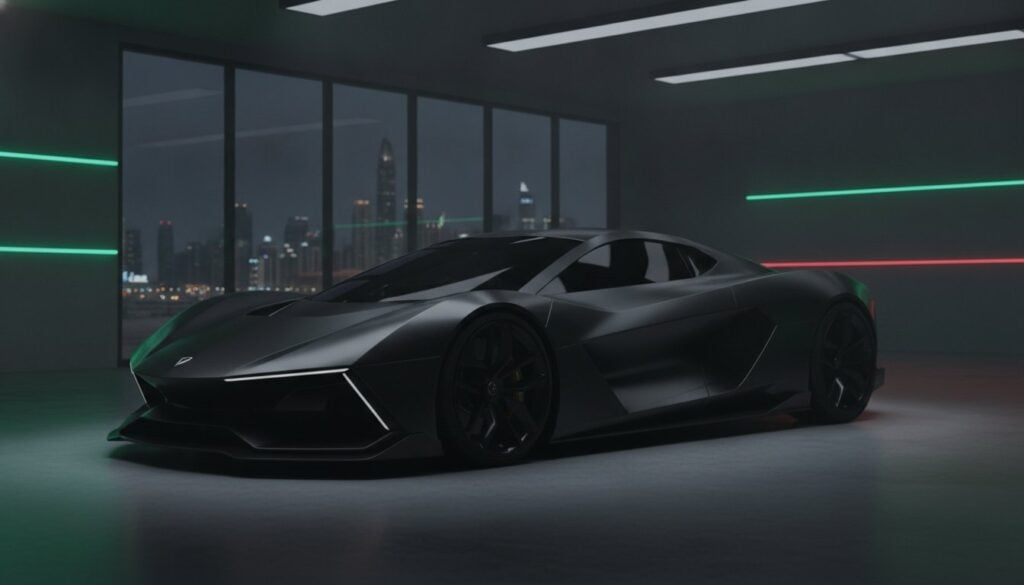
In 2026, the ultimate expression of automotive luxury is no longer a high-gloss shine, but the sophisticated, light-absorbing depth of a satin black finish. While many enthusiasts crave this elite stealth look, the reality of a subpar satin black vinyl wrap for cars often involves visible seams and that dreaded “orange peel” texture. You deserve a finish that looks like it was poured on at the factory, not stuck on in a garage.
We understand that choosing the right material is a high-stakes decision, especially when the intense sun can quickly degrade inferior pigments. This guide provides the technical precision you need to select, install, and maintain a premium finish that transforms your vehicle into a modern masterpiece. You’ll discover the critical differences between vinyl and color PPF, learn the secrets to a seamless application, and master the maintenance routines that protect your resale value. From elite protection packages to bespoke carbon fiber accents, we’ll show you how to achieve a result that is as durable as it is breathtaking.
Key Takeaways
- Understand the visual science of the satin aesthetic, which offers a unique light-diffusing texture that highlights vehicle contours more effectively than traditional matte finishes.
- Compare the longevity and protection of a standard satin black vinyl wrap for cars against premium 2026 alternatives like 8-10 mil Color PPF and peelable paint.
- Learn why cast vinyl and high UV stability are non-negotiable requirements for maintaining a deep, consistent pigment under intense sun exposure.
- Discover the professional installation standards for a seamless look, including the critical roles of paint correction and trim disassembly.
- Master specific maintenance protocols, such as touchless washing and the “no wax” rule, to prevent micro-scratches and permanent gloss patches.
What is Satin Black Vinyl Wrap? Defining the Stealth Aesthetic
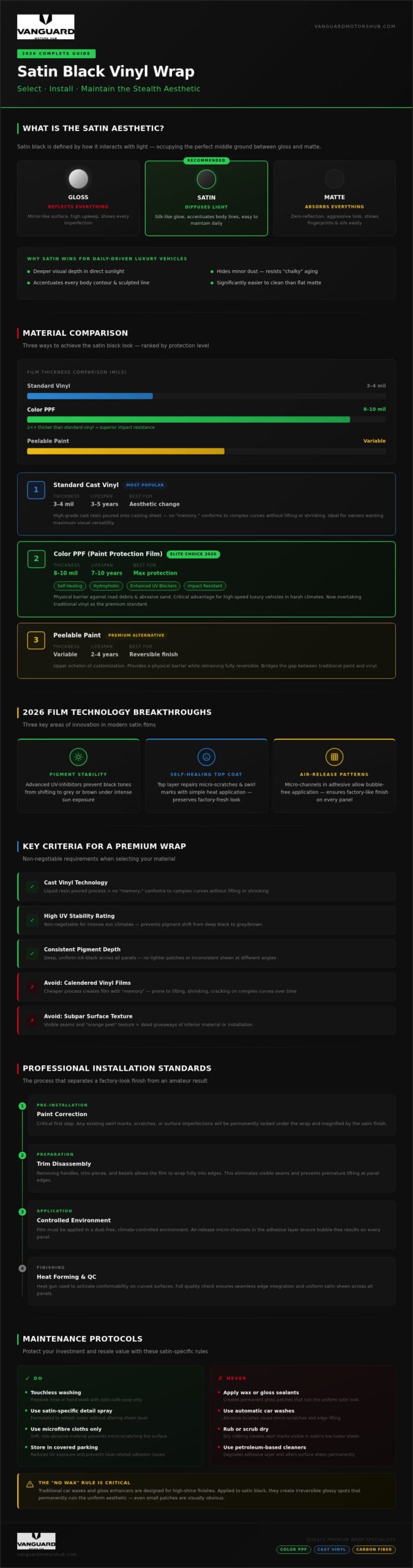
Satin black is a low-luster finish that mimics the sheen of high-end factory “frozen” paints. It represents the pinnacle of modern automotive aesthetics; it strikes a balance that high-gloss or flat-matte finishes simply cannot reach. While gloss reflects everything and matte absorbs everything, satin diffuses light. This unique property creates a soft, silk-like glow across the vehicle’s surface. A premium satin black vinyl wrap for cars doesn’t just change the color. It redefines the architecture of the vehicle. By softening the highlights and deepening the shadows, it accentuates every body line and aggressive contour, making supercars look more sculpted and purposeful.
The technical foundation of this look has evolved significantly. Understanding the composition of a modern Vehicle vinyl wrap is essential for achieving this elite stealth appearance. In 2026, the industry has shifted almost entirely toward high-grade cast vinyl technology. Unlike cheaper calendered films, cast vinyl is manufactured by pouring liquid resin onto a casting sheet. This process ensures the material has no “memory” of being flat, which allows it to conform to complex curves without lifting or shrinking over time. It’s a professional-grade solution built to withstand environmental stressors while maintaining its deep, ink-black pigment.
Satin vs. Matte Black: Which Should You Choose?
Choosing between these two finishes is a matter of both style and utility. Matte black offers a zero-reflection, “flat” appearance that looks incredibly aggressive. However, it’s notoriously difficult to maintain; even a small amount of oil from your fingertips can leave a visible smudge. Satin is the superior choice for daily-driven luxury vehicles. It provides a subtle eggshell sheen that offers more depth in direct sunlight. It’s also significantly easier to clean. The slight luster helps hide minor surface dust and resists the “chalky” look that often plagues older matte films. Investing in a high-quality satin black vinyl wrap for cars ensures your vehicle remains a masterpiece of design without the maintenance headaches of traditional flat paint.
The Evolution of Satin Films in 2026
The latest generation of satin films has introduced several technical breakthroughs that improve both aesthetics and longevity. Manufacturers have focused on three primary areas of innovation:
- Pigment Stability: Advanced UV-inhibitors prevent the black tones from shifting toward grey or brown, even under intense national sun exposure.
- Self-Healing Top Coats: Premium lines now feature a top layer that can repair micro-scratches and swirl marks with simple heat application.
- Air-Release Patterns: Enhanced micro-channels in the adhesive layer allow for bubble-free professional results, ensuring a factory-like finish on every panel.
These advancements mean your investment stays looking fresh for years. By choosing a modern cast film, you are opting for a material that moves with the metal, resisting the cracking and peeling associated with older technologies.
Material Comparison: Vinyl vs. Color PPF vs. Peelable Paint
Achieving a stealth aesthetic requires more than just picking a color; it requires selecting the right medium for your specific environment. While a standard satin black vinyl wrap for cars remains the most popular choice for pure aesthetic versatility, 2026 has introduced superior alternatives that offer significantly higher levels of protection. Standard vinyl is typically 3-4 mils thick, making it ideal for owners who want a high-impact visual change with a 3-5 year lifespan. However, for those driving in harsh national climates, the conversation often shifts toward durability and long-term ROI.
Evaluating the return on investment means looking beyond the initial application. Color PPF and peelable paint represent the upper echelon of customization. These options don’t just mimic the look of satin; they provide a physical barrier against the elements that traditional vinyl simply cannot match.
Why Color PPF is Overtaking Traditional Vinyl
Color Paint Protection Film (PPF) is the elite choice for 2026. At 8-10 mils thick, it’s more than double the thickness of standard vinyl, providing superior impact resistance against road debris and abrasive sand. This is a critical advantage for luxury vehicles that see high-speed use. Modern Color PPF also features enhanced UV blockers that are essential for preserving deep black pigments under intense sun exposure. Many premium films now include integrated hydrophobic properties, ensuring that water and contaminants slide off the surface effortlessly. While Color PPF is typically 30% to 50% more expensive than vinyl, its 7-10 year lifespan offers a much stronger value proposition.
The Case for Peelable Paint in 2026
For a truly seamless finish, Vanguard Motors Dubai provides advanced peelable paint applications that offer an “edge-free” result indistinguishable from factory paint. Unlike film, which can occasionally show lifting edges around complex curves or deep recesses, peelable paint is sprayed on in multiple layers. This allows for a bespoke satin texture that can be clear-coated for additional depth. It’s the ultimate solution for owners who demand perfection without the visible seams associated with traditional wrapping techniques. It provides the protection of PPF with the aesthetic fluidity of a professional spray job.
Choosing between these materials depends on your specific needs for protection versus pure cosmetics. If you’re looking for the ultimate balance of style and defense, you might consider our bespoke protection packages to ensure your vehicle remains flawless. Whether you opt for the versatility of vinyl or the robust defense of Color PPF, the goal is a finish that reflects your standard of excellence.
Key Criteria for Selecting a Premium Satin Black Wrap
Selecting a high-end satin black vinyl wrap for cars requires a deep understanding of material science, especially when operating in a climate defined by extreme heat and abrasive sand. This isn’t just about color; it’s about engineering. A premium wrap should have a minimum thickness of 80-100 microns for adequate coverage. Anything thinner risks transparency when stretched over complex body panels, leading to inconsistent color depth. In 2026, the distinction between cast and calendered film is more critical than ever. Cast vinyl is non-negotiable for automotive curves. It’s manufactured in a stress-free state, which means it won’t shrink or pull back from deep recesses like cheaper calendered alternatives often do.
UV stability remains the primary challenge for dark pigments in high-exposure environments. Inferior films often turn grey or brown after just one season of intense sun. Premium satin films utilize advanced UV inhibitors that are chemically bonded to the pigment, ensuring the “ink-black” depth remains consistent for years. Equally important is the adhesive technology beneath the surface. Professional installers look for “low initial tack” adhesives. These allow the film to be repositioned easily during the application process. Integrated air-egress channels are also essential. These microscopic pathways allow air to escape, preventing bubbles and ensuring a mirror-smooth finish that rivals factory paint.
Top Brands to Consider in 2026
The 3M 2080 Series remains the industry workhorse. Its patented Controltac technology allows for precise positioning, while the Comply adhesive ensures a bubble-free result. For vehicles with exceptionally complex bumpers or sharp aerodynamic fins, Avery Dennison Supreme is often preferred for its superior conformability. It stretches more predictably without losing its satin texture. For supercars and bespoke projects, we also utilize Vanguard-approved specialty films. These boutique options offer unique heat-reflective properties designed specifically for high-performance vehicles that generate significant engine bay heat.
Evaluating Warranty and Lifespan
Lifespan expectations must be grounded in reality. Vertical surfaces like doors and fenders generally last longer than horizontal surfaces like hoods and roofs, which bear the brunt of the midday sun. A legitimate national warranty should cover adhesive failure, bubbling, and premature fading. It’s vital to choose a material that is rated for the specific thermal demands of your region. If you’re weighing your options, check our 2026 Car Wrap Buying Guide for a more detailed breakdown of performance metrics and aesthetic trends. Investing in the right grade of film today prevents the costly headache of a failed wrap tomorrow.
Professional Installation: The Vanguard Standard
Professional installation is the bridge between a temporary aesthetic change and a factory-level transformation. For a premium satin black vinyl wrap for cars, the process begins long before the film is unrolled. We prioritize meticulous surface preparation. Every panel undergoes a deep decontamination process, including clay bar treatment to remove microscopic pollutants. If the underlying paint has swirl marks or imperfections, we perform a stage-one paint correction. This ensures the adhesive bonds perfectly and prevents surface defects from telegraphing through the thin vinyl film.
A “no-seam” look is impossible without strategic disassembly. We remove door handles, mirrors, and trim pieces to tuck the vinyl deep into the recesses. This avoids the unsightly edges seen in “bulk” installations. All work occurs in a strictly climate-controlled environment. This prevents dust contamination and ensures the adhesive reaches its optimal bonding strength, which is vital for long-term durability. Our expertise also extends to complex builds. We specialize in wrapping around high-performance components, such as those found in a Brabus body kit installation. Integrating a satin wrap with Mansory or Brabus aerodynamics requires a level of precision that generic shops cannot provide.
The Danger of “Knife Marks”: Why Technique Matters
Protecting your factory paint is our absolute priority. We utilize knifeless tape for all trimming on the car’s body. This eliminates the risk of blade scores on your clear coat. Proper heat management is equally vital. Over-stretching the film can lead to “whitening,” where the black pigment thins and loses its satin depth. Once the application is complete, we perform post-heating. By raising the vinyl to a specific temperature, we reset its “memory.” This prevents the film from lifting or shrinking, even when exposed to 50°C+ national temperatures.
Bespoke Customization Options
A total stealth conversion often requires more than just a color change. We frequently combine a satin black vinyl wrap for cars with forged or weave carbon fiber accents. This creates a sophisticated, high-contrast aesthetic. Our chrome delete service eliminates silver trim, providing a unified, aggressive look. For those looking to restore or add structural elements, our guide on Carbon Fibre Car Parts Repair details how we integrate these aero upgrades into a cohesive build.
Ready to elevate your vehicle’s presence? Consult with our master installers today to discuss your bespoke stealth build.
Long-Term Maintenance of Satin Black Finishes
Maintaining the elite appearance of a satin black vinyl wrap for cars requires a specialized approach that differs fundamentally from traditional paint care. The very properties that make satin so attractive, its light-diffusing texture and soft sheen, are also what make it sensitive to improper cleaning techniques. Standard automated car washes with abrasive brushes are the primary enemy of this finish. They inflict micro-scratches and swirl marks that are impossible to polish out without ruining the satin effect. Touchless washing or meticulous hand-washing is mandatory to preserve the film’s “frozen” aesthetic.
The most critical directive for any owner is the “No Wax” rule. Traditional automotive waxes, polishes, and ceramic sprays designed for gloss paint contain fillers and shine enhancers. If applied to a satin wrap, these chemicals will fill the microscopic valleys of the film’s texture. This creates permanent, blotchy gloss patches that destroy the uniform stealth look. Instead, you must use products specifically engineered for matte and satin surfaces that provide protection without altering the luster.
Environmental hazards pose an even greater threat in high-temperature climates. Acidic contaminants like bird droppings, tree sap, and insect remains can “etch” into the vinyl surface in less than an hour when exposed to direct sun. This creates a permanent stain that even self-healing top coats cannot always repair. We recommend carrying a dedicated satin detailer spray and a high-GSM microfiber towel at all times for immediate spot cleaning. Proactive care is the only way to ensure the deep black pigment doesn’t degrade into a chalky grey over time.
Recommended Products for Satin Wraps
Achieving professional results at home starts with the right chemistry. Your detailing kit should be curated with precision to avoid damaging the film’s delicate top layer. Essential items include:
- PH-neutral soaps: Ensure your shampoo is completely free from gloss enhancers, waxes, or silicones that leave a greasy residue.
- Satin Detailer Sprays: These are vital for removing fingerprints and light dust between washes without adding unwanted shine.
- High-GSM Microfiber Towels: Thick, plush towels minimize the risk of surface marring during the drying process.
Professional Detailing Intervals
While routine maintenance can be handled at home, a professional “deep clean” every six months is essential for long-term preservation. This interval allows experts to remove embedded industrial fallout and inspect the edges for any signs of lifting. For the ultimate level of protection, we recommend applying a specialized ceramic coating designed specifically for wraps. This layer adds an extra level of hydrophobic performance and UV resistance, often doubling the effective lifespan of the film. For more insights into high-end preservation, see our Supercar Detailing Reference Guide. Proper care ensures your investment remains a masterpiece of modern automotive design for years to come.
Secure Your Vehicle’s Stealth Legacy
The decision to elevate your vehicle’s aesthetic with a satin black finish is a commitment to modern sophistication. Throughout this guide, we’ve explored the critical factors that separate a mediocre application from an elite transformation. Choosing a high-grade satin black vinyl wrap for cars is the first step, but the ultimate success of your project rests on professional precision and a rigorous maintenance protocol. By prioritizing cast vinyl technology and specialized cleaning techniques, you ensure your vehicle remains a masterpiece of light-diffusing design.
At Vanguard Motors Dubai, we understand the intersection of technical excellence and creative vision. Our facility is engineered for the specific demands of supercar protection, offering everything from bespoke Brabus kit integration to advanced Color PPF solutions. We invite you to experience a service environment where every detail is managed with meticulous care. Consult the Vanguard Experts for Your Elite Satin Black Transformation. Embrace the stealth aesthetic and redefine your presence on the road today.
Frequently Asked Questions
How long does a satin black vinyl wrap last in the UAE heat?
A professionally installed satin black vinyl wrap for cars typically lasts between three and five years in the national climate. High-grade cast films with advanced UV inhibitors can extend this period, while innovative Color PPF options often reach a seven-to-ten-year lifespan. Factors such as covered parking and routine maintenance significantly influence longevity. Exposure to the intense sun without protection can lead to premature pigment degradation, so we recommend regular inspections to ensure the film’s structural integrity remains intact.
Will a satin black wrap damage my car’s original paint?
A high-quality wrap won’t damage your vehicle’s original factory paint; it actually acts as a protective barrier. The vinyl shields the clear coat from UV radiation, oxidation, and minor surface abrasions. However, the paint must be in good condition before application. If the underlying paint is already peeling or has been poorly resprayed, there is a risk of lifting during removal. Professional removal using controlled heat ensures the surface remains pristine and residue-free after the film is taken off.
Can I put a ceramic coating over a satin black vinyl wrap?
You can and should apply a ceramic coating over a satin black wrap to enhance its hydrophobic properties and UV resistance. It’s essential to use a coating specifically formulated for matte or satin finishes. These specialized products provide a protective layer without adding unwanted gloss or altering the film’s intended texture. This additional barrier helps repel contaminants and makes routine cleaning much easier, effectively extending the aesthetic life of your vehicle’s stealth transformation.
How do I clean a satin black car without ruining the finish?
Cleaning a satin finish requires a strict protocol to avoid creating permanent gloss patches or micro-scratches. Always use pH-neutral shampoos that are free from waxes, silicones, and gloss enhancers. Hand-washing with the two-bucket method or using a touchless pressure wash is the safest approach. Avoid abrasive brushes and automatic car washes at all costs. After washing, dry the surface with a high-GSM microfiber towel to prevent water spots from etching into the film during the drying process.
Is satin black harder to maintain than gloss black?
Satin black offers a different maintenance profile compared to traditional gloss black. While it hides dust and minor swirl marks better than a high-gloss surface, it cannot be buffed or polished if a deep scratch occurs. Any abrasive action will create a permanent shiny spot, ruining the uniform stealth look. This makes the “No Wax” rule and the immediate removal of bird droppings or tree sap even more critical for preserving the sophisticated, low-luster aesthetic of the vehicle.
What is the price difference between satin vinyl and satin color PPF?
Color PPF is a premium investment that typically costs 30% to 50% more than a standard satin black vinyl wrap for cars. This price gap reflects the superior material composition and the complexity of the installation process. While vinyl is primarily aesthetic, Color PPF is significantly thicker, ranging from 8 to 10 mils. This provides genuine impact resistance against road debris and sand, offering a much higher return on investment for owners of high-performance luxury vehicles.
Can scratches in satin black vinyl be repaired?
Minor surface abrasions in premium vinyl films can often be repaired through controlled heat application. Many modern films feature a self-healing top coat that allows micro-scratches to close up when exposed to the sun or a heat gun. However, deep scratches that penetrate the pigment layer cannot be polished out or spot-repaired. In these instances, the most effective solution for maintaining a flawless look is to replace the film on the entire affected panel to ensure visual consistency.
Is satin black wrap legal for all vehicle types?
Wrapping a vehicle in satin black is legal across the country for all vehicle types, provided you follow the proper administrative procedures. Any significant color change must be officially updated on the vehicle’s registration documents, commonly known as the mulkiya. This ensures that the physical appearance of the car matches the legal records held by the authorities. We recommend completing this update immediately after the installation to ensure full compliance with national traffic regulations and insurance requirements.